
Study in Italy
Study in Italy at internationally recognised universities and institutions, with diverse academic programmes, a rich cultural heritage and opportunities to gain international experience while building your academic and professional future.
Book a Free ConsultationYOUR FUTURE • OUR COMMITMENT
Fill in your details and our team will get in touch with you soon.

Thank You!
Your consultation request has been submitted successfully.
Our team will review your details and contact you soon.
More Than a Degree.
Build Your Future.
Italy offers more than a world-class education. It can connect your studies with practical experience, a rich cultural heritage, and a gateway to European and global career opportunities.


Career Opportunities Across Leading Industries
Explore high-demand career pathways across fashion and luxury design, automotive engineering, advanced manufacturing, architecture, tourism, and international business within Europe's iconic creative and industrial landscape.

Study While You Work
Gain practical, professional experience alongside your studies through legal part-time work permissions (up to 20 hours per week or 1,040 hours per year) and university-backed professional internships.

Strong Career Prospects After Graduation
Leverage post-study work pathways such as converting a study visa into a subordinate work permit (permesso di soggiorno per attesa occupazione) following graduation to transition smoothly into the Italian workforce.

Pathways to Long-Term Residence
For eligible graduates who secure stable employment, Italy offers structured pathways from work-authorized residence permits toward long-term residency status and permanent settlement options over time.
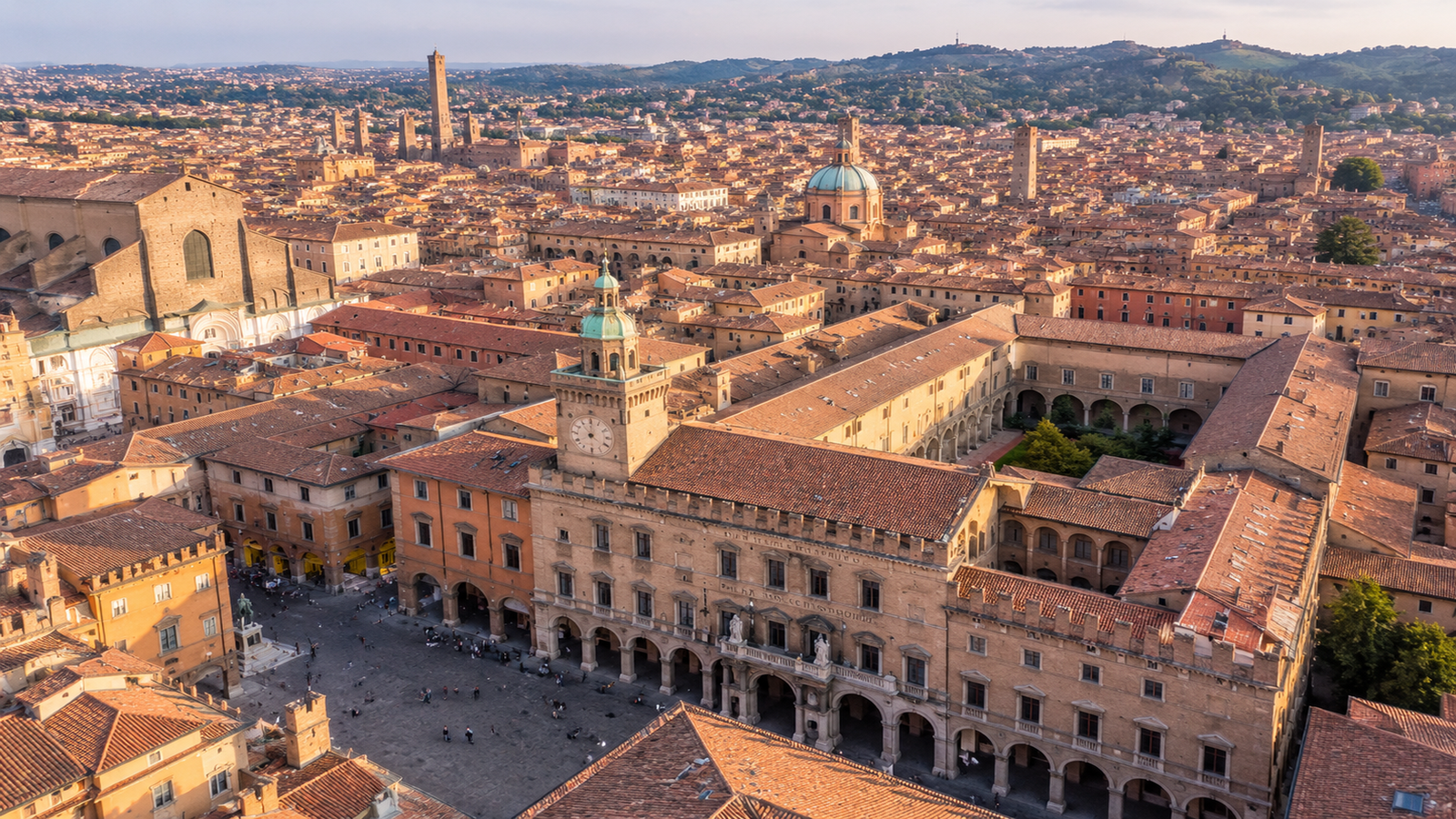
A Global Hub for Innovation & Opportunity
Study in a historic yet forward-thinking European center driven by design excellence, culinary innovation, advanced industrial design, and global enterprise, connecting your education to the heart of Italian craftsmanship and innovation.
Understand the Italian Higher Education System
Italy offers diverse institutions and study programmes. Understanding their differences helps you choose the right path before applying.
Types of Higher Education Institutions
Universities are the main route for academic degrees, while AFAM institutions focus on fine arts, music, dance, and design.
Universities
Offer undergraduate, master's, and doctoral programmes across wide disciplines through public and recognised private institutions.
AFAM Institutions
Provide higher education in creative fields, awarding first- and second-level academic diplomas comparable to university degrees.
Choose the Right Study Level
Italy offers higher-education programmes ranging from undergraduate studies to advanced research.
Bachelor's Degree (Laurea)
A 3-year first-cycle degree providing foundational knowledge and core skills.
Master's Degree (Laurea Magistrale)
A 2-year second-cycle degree offering advanced, specialised study.
Doctorate / PhD (Dottorato di Ricerca)
The highest study level focused on advanced, original research.
Public or Private University?
Both public and recognised private options exist, differing in tuition, structure, and admission criteria.
Public Universities
Generally more affordable, with fees often scaled to family income and course type.
Private Universities
Tuition and entry rules are set independently by each institution.
Italian-Taught or English-Taught?
Programmes are available in both Italian and English depending on the course and level.
Italian-Taught Programmes
Typically require proof of Italian proficiency (commonly B2 level), varying by university.
English-Taught Programmes
Widely available at graduate levels, accepting IELTS, TOEFL, PTE, or MOI (Medium of Instruction) certificates.
How to Choose the Right Programme in Italy
Identify a programme matching your academic background, career goals, and language preference before selecting a university.
Plan Your Budget Before You Apply
The cost of studying in Italy varies by university, programme and city. Understanding both tuition and living expenses helps you plan realistically.
Understand What You Pay for Your Education
Public Universities
€500–€3,000+ / yearPublished fees for international students vary by university, programme and fee-reduction eligibility.
Private Universities
€7,000–€23,000+ / yearHigher fees are standard, often exceeding €20,000 for specialised fields like medicine.
Regional & University Charges
€150–€200+ / yearIncludes regional education tax plus a €16 stamp duty, payable in addition to tuition.
Tuition and additional charges vary by university, programme and student circumstances. Figures are indicative 2026/27 ranges.
What You May Spend Each Month
Your monthly budget in Italy will depend on your city, accommodation choices and lifestyle.
Accommodation
€350–€700 / monthUsually the largest expense; varies considerably by city, room type and utilities inclusion.
Food & Groceries
€200–€300 / monthBased on regular supermarket shopping, home cooking, and occasional dining out.
Health Insurance
€60–€70 / monthNon-EU options include the National Health Service contribution or private insurance coverage.
Transportation
€20–€40 / monthPublic transport and monthly student passes vary depending on the city.
Study & Communication
€50–€80 / monthCovers books, learning materials, mobile service and internet access.
Personal Expenses
€100–€150 / monthAllocated for recreation, clothing, sports, and general lifestyle needs.
Estimated Monthly Living Cost
A realistic student budget in Italy can be planned at approximately €800–€1,300 per month depending on lifestyle and location.
Scholarships That May Help Reduce Your Costs
MAECI Scholarships
Italian Government grants offered for eligible international students pursuing Master's, PhD, and research programmes.
Regional Scholarships
Right-to-study support providing financial awards, accommodation, and meal benefits based on economic eligibility.
University Scholarships
Institution-specific awards ranging from €5,000 to €10,000+ per year, often paired with tuition waivers.
Eligibility varies by programme, academic profile, nationality, and specific regional or institutional deadlines.
From Application to Arrival
Understand the key requirements, documents, timelines and financial requirements involved in applying to study in Italiany and preparing for your student visa.
Admission Process & Requirements
Admission requirements in Italy depend on your chosen programme, previous qualification and university. International applicants must also follow the Italian higher-education admission and pre-enrolment procedures applicable to their course.
Bachelor's Admission
For undergraduate study in Italy, Indian students generally need a recognised Class XII qualification or equivalent secondary-school credential that meets the entry requirements for the chosen course.
Italian universities assess your previous subjects, academic results and eligibility for the specific programme. Some courses, particularly regulated or limited-enrolment programmes, may also require an entrance examination or additional admission test.
Depending on the university and programme, applicants may need to provide qualification-recognition documents, such as a Declaration of Value or CIMEA documentation, where requested by the institution.
Master's Admission
For a Master's degree in Italy, applicants generally need a recognised Bachelor's degree relevant to the chosen programme.
Italian universities may evaluate your previous degree, academic transcripts, subject compatibility, credits and language proficiency. Some programmes may also require a specific academic background, minimum grades, portfolio, interview or entrance assessment.
The university determines whether your Indian Bachelor's qualification meets its admission requirements and whether additional qualification verification or recognition documents are needed.
Language Requirements
For English-taught programmes in Italy, language requirements depend on the university and programme. Applicants may be asked to provide recognised English-language evidence or other proof accepted by the institution.
English-taught programmes
Many Italian universities accept IELTS, TOEFL, PTE, Cambridge English or another recognised English-language qualification. Some universities may also accept a Medium of Instruction (MOI) letter confirming that your previous education was taught in English.
MOI acceptance is university- and programme-specific. Before applying, confirm whether your chosen university accepts MOI and which English-language documents or minimum scores are required for your programme.
How Your Application Is Evaluated
Italian universities evaluate international applicants according to the admission requirements of the chosen programme. The assessment may include:
- Academic qualification — whether your previous qualification provides access to the chosen level of study.
- Subject compatibility — whether your previous subjects and academic background match the programme requirements.
- Academic performance — grades, marks and academic credits, where applicable.
- Language proficiency — whether you meet the required Italian or English language level.
- Additional selection requirements — entrance examinations, interviews, portfolios or programme-specific tests, where applicable.
The evaluation of foreign qualifications and the final admission decision are the responsibility of the individual Italian university. Meeting general eligibility requirements does not guarantee admission to a particular programme.
Documents You May Need
The exact document list depends on the Italian university and programme. Typical application documents may include:
- Academic certificates and transcripts
- Class XII certificate, for Bachelor's applicants
- Bachelor's degree and transcripts, for Master's applicants
- Valid passport
- Proof of English proficiency or other language evidence, where required
- CV or résumé, where required
- Motivation letter or statement of purpose, where required
- Portfolio, entrance-test results or other programme-specific documents, where applicable
- CIMEA certification or Declaration of Value, where requested
Intakes & Application Timeline
September Intake
The September/October intake is the main admission cycle in Italy and generally offers the widest range of Bachelor's and Master's programmes. Deadlines are set individually by universities and may open several months before the academic year begins.
February Intake
Some Italian universities offer a February intake, particularly for selected Master's programmes. Course availability is more limited, and separate application deadlines may apply.
Admission deadlines vary by university and programme. Non-EU students must also complete the Universitaly pre-enrolment process within the applicable deadlines.
Your Application Journey
A practical sequence for planning your application from India:
Choose Programme
Compare Italian universities, programmes, language of instruction and admission requirements.
Check Requirements
Confirm your academic qualification, subject requirements, language evidence and any programme-specific admission tests.
Prepare Documents
Arrange academic transcripts, passport, language documents and any qualification-recognition documents requested by the university.
Submit Application
Apply through the university's official admission portal. Non-EU applicants residing outside Italy may also need to complete the Universitaly pre-enrolment procedure.
Receive Admission
Review your admission decision, complete any outstanding university requirements and prepare for the next stage of the Italian student visa process.
Student Visa Process
Once you have secured admission, the next stage is preparing your Italian student visa. Your admission, financial proof, insurance and supporting documents all need to be ready before you apply.
Admission Before Visa
For a standard student visa, you need proof that you have been admitted to a state-recognised Italian higher-education institution.
The admission letter is therefore one of the central documents used to establish the purpose of your stay.
If your educational qualifications were obtained in India, you should check the Italian university's admission requirements and confirm whether any additional document verification or qualification assessment is required.
Financial Proof
You must demonstrate that you have sufficient financial resources to support yourself during your studies and stay in Italy.
Financial evidence may include personal bank statements, scholarship documentation or financial support provided by a sponsor, depending on the requirements of the Italian consulate handling your visa application.
Proof of Financial Means
Applicants must demonstrate financial means of at least €506.62 per month to cover their living expenses in Italy.
Visa Documents
The exact checklist depends on your case and the competent Italian mission, but your preparation should include:
- Valid passport
- Visa application forms and declarations
- Admission letter from the Italian institution
- Qualification-recognition documents, where requested
- Academic qualification documents
- Proof of financial means
- Health insurance / required insurance proof
- Biometric photographs
- CV and motivation documents where requested
- Any additional documents requested by the mission
Submit Your Visa Application
For programmes lasting more than 90 days, students generally apply for an Italian National Long-Stay Study Visa (Type D). Shorter study programmes may require a Type C visa.
After completing the required Universitaly pre-enrolment process, applicants in India must submit their visa application through the appropriate Italian Consulate jurisdiction and its authorised VFS Global Visa Application Centre.
The Italian Consulate makes the visa decision. VFS Global handles application submission, biometric collection and related visa-centre services.
Visa checklists, appointment procedures and consular jurisdiction can change. Always check the latest instructions from the relevant Italian Consulate and VFS Global before submitting your application.
Visa Journey
A practical sequence for planning your Italian student visa application from India.
Receive Admission
Secure admission to an Italian university or higher-education institution.
Complete Universitaly Pre-Enrolment
Complete the required pre-enrolment process through the Universitaly portal after receiving admission.
Prepare Finances & Documents
Arrange proof of funds, accommodation, insurance and the documents required for your visa category.
Submit Visa Application
Book an appointment and submit your application through the appropriate VFS Global Visa Application Centre serving your consular jurisdiction.
Visa Decision
The Italian Consulate reviews your application and may request additional documents or information before issuing a decision.
After Your Visa Is Granted
Your Italian study visa allows you to enter Italy for the purpose stated in your application.
After arrival, you must complete the applicable residence formalities for your stay, including applying for a Permesso di Soggiorno (residence permit) within the required timeframe. Plan your arrival around your university's enrolment deadlines, accommodation arrangements and any required appointments with local authorities.
Plan Your Next Steps After Graduation
Studying in Italy can provide opportunities to gain work experience during your studies and continue into employment after graduation.
Working While Studying
International students in Italy can work part-time alongside their studies, subject to the conditions of their study residence permit.
Student employment is permitted within these limits while holding a study residence permit.
After Graduation
Graduates who complete a degree in Italy can continue their transition into employment through the applicable residence-permit routes.
Study-to-work conversion: A valid study residence permit can be converted to a work residence permit when the applicable requirements are met.
Long-Term Residence
Eligible non-EU nationals may apply for an EU long-term residence permit after meeting the required period of legal residence and other conditions.
The EU long-term residence status is granted for an indefinite period, subject to the applicable legal requirements.
IMPORTANT CONDITIONS
Work and post-study residence options in Italy depend on your residence permit, employment situation and the requirements applicable to your individual case. Always check the latest requirements with the relevant Italian authorities before making plans.
Leading Universities in Italy
Explore selected public and private universities in Italy. Click any university to visit its official website.
Public Universities
Private Universities
Find Your Student Accommodation in Italy
Choose from different accommodation options based on your budget, lifestyle, and university location.
Student Residences
University halls and student residences offering furnished rooms, shared facilities and access to communal student spaces.
Shared Apartment
Rent a private room in an apartment shared with other students, usually with a common kitchen and living space.
Private Apartment
A studio or independent apartment offering greater privacy and flexibility.
Things to Consider
- Location and commute to your university
- Monthly rent and included facilities
- Furnished or unfurnished accommodation
- Access to public transport and essential services
When Should You Start Looking?
Accommodation in popular Italian university cities can become limited before the main academic intake. Start exploring your options as soon as your university admission is confirmed, especially if you plan to study in Milan, Rome, Bologna or other high-demand cities.
Secure Accommodation Before Your Visa Application
GEMS helps students explore suitable accommodation options and arrange the required proof of accommodation before filing their Italian student visa application.
Before Visa
Your First Steps After Arriving in Italy
Once you arrive in Italy, completing essential formalities and arranging the practical details of daily life will help you settle into your studies more smoothly.
Apply for Your Residence Permit
If you are staying in Italy for more than 90 days, apply for your residence permit (Permesso di Soggiorno) within eight working days of arrival.
Obtain Your Codice Fiscale
Obtain your Italian tax identification number, known as the Codice Fiscale, which is commonly needed for banking, rental agreements and other essential administrative formalities.
Open a Bank Account
Set up a suitable Italian bank account for everyday expenses, rent, tuition payments and other financial transactions.
Arrange Health Insurance
Ensure your health insurance coverage is valid for your stay and complete any required registration for private insurance or Italy’s National Health Service (SSN).
Complete University Essentials
Complete your university enrolment, collect important student documents and familiarise yourself with local transport and essential services.
Keep Your Documents Ready
Keep your passport, visa, residence-permit receipt, Codice Fiscale, admission letter, accommodation and insurance documents safely organised and accessible.
READY TO TAKE
The Next Step
Tell us a little about your study plans, and let's explore the right destination and opportunities for your future.
Personalised Guidance
Tailored support based on your goals and study plans.
Global Opportunities
Explore the best universities and courses worldwide.
End-to-End Support
Support at every step of your study abroad journey.
READY TO TAKE THE NEXT STEP
Book Your Free Consultation
Share your study plans and get personalised guidance from our team.
Thank You!
Your consultation request has been received successfully.
Our team will review your details and get in touch with you soon.
Everything You Need to Know About Studying in Italy
For Indian students, tuition fees at public universities in Italy generally range from approximately €500 to €4,000 per year, depending on the university, programme and family income assessment. Private universities can cost around €6,000 to €20,000 or more per year. Living expenses generally range from €600 to €1,000 per month, depending on the city and lifestyle. Milan and Rome are usually more expensive than smaller student cities.
Yes. Many Italian universities offer Bachelor's and Master's programmes taught entirely in English, particularly in business, management, engineering, computer science, architecture and design. English-taught programmes are especially common at Master's level. Learning basic Italian can be helpful for daily life, part-time work and internships.
Indian students generally need suitable Class 12 qualifications for Bachelor's admission or a recognised Bachelor's degree for Master's admission. Most English-taught programmes require proof of English proficiency, commonly IELTS with an overall score around 6.0–6.5. Some universities may also accept a Medium of Instruction (MOI) certificate, depending on their admission policy. Students may also need academic transcripts, a statement of purpose, letters of recommendation, a CV and a valid passport.
For an Italian student visa, Indian students generally need to demonstrate sufficient funds to support themselves during their stay in Italy. A useful planning estimate is approximately €500–€900 per month for living expenses, in addition to accommodation, tuition fees where applicable and travel costs. Students should also plan for initial settlement expenses such as accommodation deposits, insurance and transportation.
Yes. International students in Italy can generally work part-time for up to 20 hours per week while studying, subject to the conditions of their visa or residence status. Students commonly explore opportunities in hospitality, retail, tutoring, customer service and internships. Italian language skills can significantly improve access to part-time employment.
Yes. Italy offers opportunities for international graduates who want to continue their careers after completing their studies. Depending on your qualifications and circumstances, you may explore options to convert your student residence status into an employment-related permit or pursue other permitted post-study pathways.
Indian students can explore scholarships offered by Italian universities, regional authorities and the Italian government. Regional scholarships may provide tuition fee reductions, accommodation support, subsidised meals or financial assistance, depending on eligibility. Merit-based university scholarships are also available for selected programmes and students.
Indian students should ideally begin preparing 9–12 months before their intended intake. This allows enough time to shortlist universities, check eligibility, prepare academic and financial documents, complete IELTS or other language requirements, submit applications and arrange the student visa. Starting early is especially useful when applying for scholarships and completing university pre-enrolment formalities.
Public universities in Italy generally charge tuition fees, but they are often more affordable than private institutions. For many international students, annual tuition may range from approximately €500 to €4,000, depending on the university, programme and financial assessment. Scholarships and regional financial aid can sometimes significantly reduce the overall cost.
Yes. GEMS can help Indian students identify suitable universities and programmes in Italy, compare tuition fees and entry requirements, organise application documents and understand the visa preparation process. The guidance can be tailored to your academic background, career goals and budget.