
Study in Singapore
Study in Singapore at internationally recognised universities and institutions, with a strong focus on innovation, technology and industry-relevant education. Gain international exposure in a safe, multicultural environment while preparing for your academic and professional future.
Book a Free ConsultationYOUR FUTURE • OUR COMMITMENT
Fill in your details and our team will get in touch with you soon.

Thank You!
Your consultation request has been submitted successfully.
Our team will review your details and contact you soon.
More Than a Degree.
Build Your Future.
Singapore offers more than a world-class education. It can connect your studies with practical experience, a multicultural environment, and a gateway to global career opportunities in Asia.


Career Opportunities Across Leading Industries
Explore high-demand career pathways across finance, fintech, technology, biomedical sciences, maritime trade, management consulting, and multinational business within Asia's leading economic hub.

Study While You Work
Gain practical, resume-building experience alongside your studies through structured university internships, institutional work-study schemes, and approved part-time employment opportunities during term and vacation periods.
Strong Career Prospects After Graduation
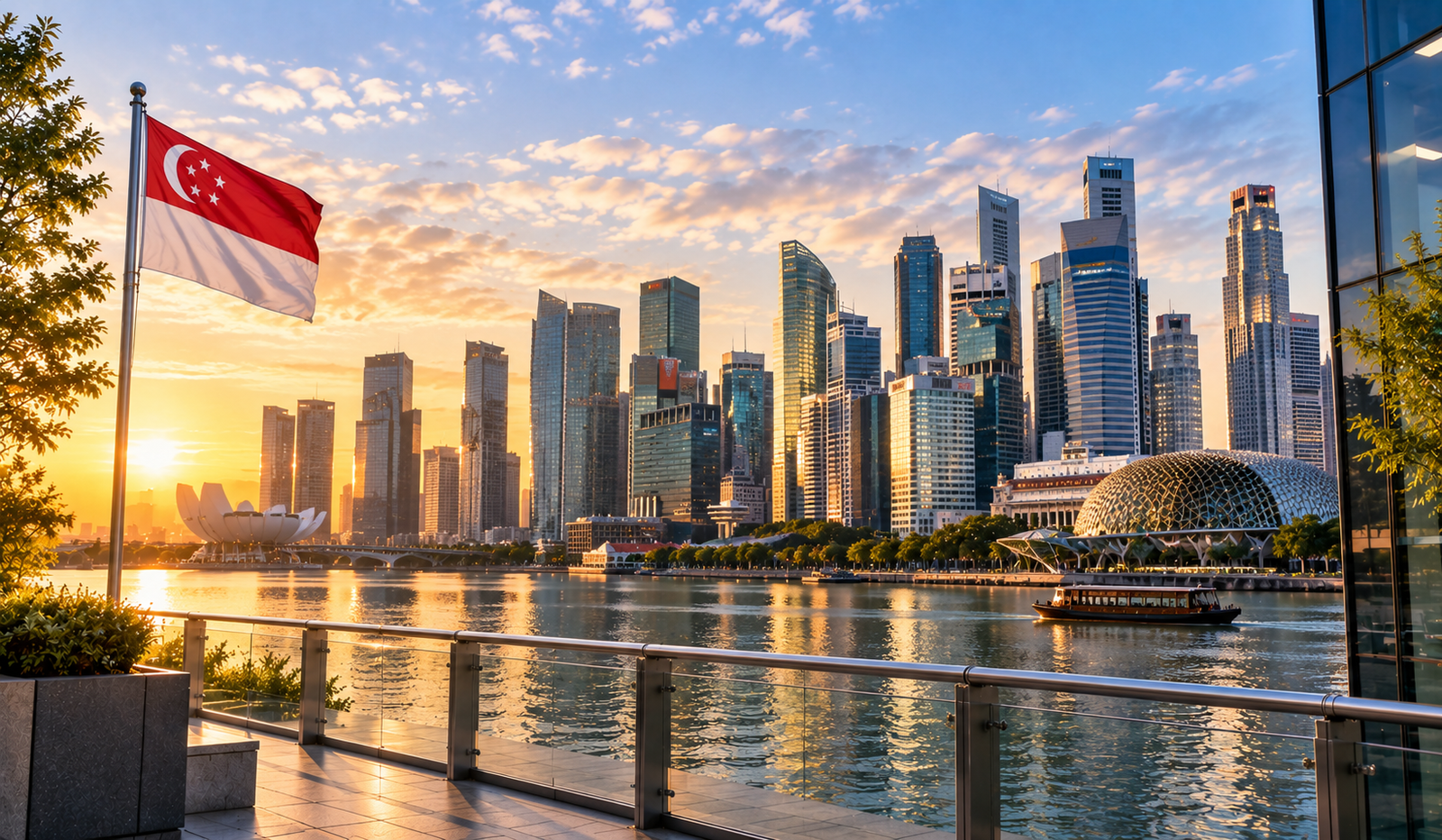
Leverage Singapore's thriving corporate ecosystem, regional headquarters of Fortune 500 companies, and robust university career networks to successfully step into high-growth professional roles.
Pathways to Long-Term Residence
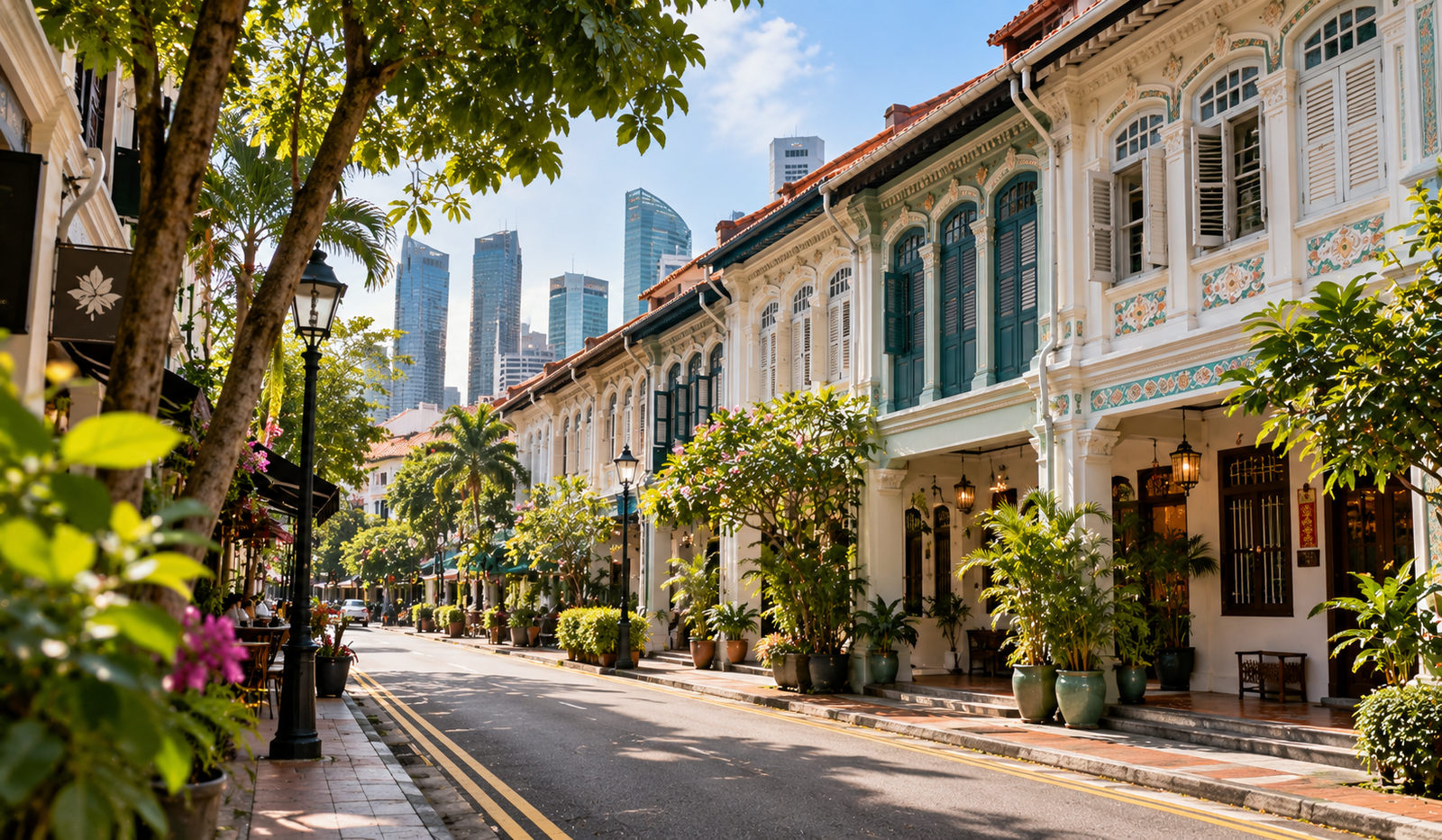
For eligible graduates who transition into professional employment via work passes (such as the Employment Pass), Singapore offers structured avenues toward long-term professional stability and potential permanent residency pathways over time.

A Global Hub for Innovation & Opportunity
Study in a hyper-connected global metropolis driven by cutting-edge research, smart-nation technology, and international enterprise, providing an ideal launchpad for a globally minded career.
Understand the Singapore Higher Education System
Singapore offers autonomous universities, polytechnics and private education institutions, with different pathways leading to degrees, diplomas and other qualifications. Understanding the institution types, programme structures and admission requirements can help you choose a programme that matches your academic background and career goals.
Higher Education Institutions in Singapore
Singapore offers universities, polytechnics and pathway programmes with different routes into higher education.
Autonomous Universities
Six publicly funded universities offering undergraduate and postgraduate programmes across diverse disciplines.
Polytechnics & Private Education Institutions
Practical diploma pathways and additional degree or diploma options through private institutions.
Pathway & Partner Institutions
Some programmes provide pathways to further study or degree completion in the UK or Australia.
Degrees & Study Levels
Singapore offers diploma, bachelor's, master's and doctoral pathways, with duration depending on the institution and programme.
Diploma
Polytechnic diplomas commonly take around 3 years and focus on practical, industry-oriented learning.
Bachelor's Degree
Most bachelor's programmes take around 3–4 years, depending on the programme.
Master's & Doctorate
Master's programmes commonly take 1–2 years, while doctoral study generally takes several years.
Academic & Industry-Focused Learning
Singapore offers both academically oriented university programmes and practical, industry-focused pathways.
University Education
Degree programmes combining academic study, specialisation and, in some programmes, industry exposure.
Applied & Industry-Focused Education
Polytechnics and some universities emphasise practical learning, industry projects and workplace experience.
Understanding Singapore's Admission Requirements
Singaporean institutions set their own academic and English-language requirements.
English Proficiency
IELTS, TOEFL, PTE Academic or other approved evidence may be required. Some institutions may also accept an official MOI, subject to their requirements.
Academic Requirements
Requirements can include academic qualifications, subject prerequisites, transcripts, tests, portfolios or interviews.
How to Choose the Right Programme in Singapore
Choose a programme that matches your academic background, career goals, budget and preferred learning approach.
Higher Education Institutions in Singapore
Singapore's higher-education system includes autonomous universities, polytechnics and private education institutions. These institutions offer different qualifications, programme structures and learning environments.
Autonomous Universities
Singapore has six publicly funded Autonomous Universities: NUS, NTU, SMU, SUTD, SIT and SUSS. They offer undergraduate and postgraduate programmes across diverse disciplines, with some emphasising applied learning and industry exposure.
Polytechnics & Private Education Institutions
Singapore's five polytechnics offer practical, industry-focused diploma programmes. Private Education Institutions also offer degree and diploma pathways, including programmes with overseas university partners.
Pathway & Partner Institutions
Some programmes provide structured pathways to progress to further study or degree completion in countries such as the UK and Australia, depending on the institution, programme and partner university.
Degrees & Study Levels
Singapore offers qualifications ranging from diplomas and bachelor's degrees to master's and doctoral degrees. Programme duration varies by institution, qualification and field of study.
Diploma
Polytechnic diplomas typically take around 3 years and focus on practical, industry-oriented education. Some graduates may progress to degree programmes, depending on admission requirements.
Bachelor's Degree
Bachelor's programmes at Singapore's universities commonly take around 3–4 years, depending on the programme. Certain professional degrees and specialised programmes may require longer.
Master's & Doctorate
Master's programmes commonly take 1–2 years, while doctoral programmes generally require several years of study and research.
Academic & Industry-Focused Learning
Singapore offers both academically oriented university education and more applied, industry-focused pathways. The structure varies by institution and programme.
University Education
Singapore's universities offer degree programmes across disciplines, combining academic study with subject specialisation. Some universities also incorporate internships, work-study programmes or other forms of industry exposure.
Applied & Industry-Focused Education
Polytechnics and some universities place greater emphasis on practical learning, industry projects, internships and workplace exposure. Applied pathways can be particularly relevant for students seeking career-oriented education.
Understanding Singapore's Admission Requirements
Singaporean institutions set their own admission requirements. International students may need to meet academic entry requirements and demonstrate English proficiency depending on their previous education and chosen programme.
English Proficiency
English is the main language of instruction. Depending on the institution and programme, applicants may need IELTS, TOEFL, PTE Academic or another accepted test. Some institutions may also accept an official MOI as evidence of English-medium study, subject to their requirements.
Academic & Programme Requirements
Admission requirements vary by institution and programme. Applicants may need academic transcripts, specific prerequisite subjects, completed qualifications, standardised tests, portfolios, interviews or other programme-specific documents.
How to Choose the Right Programme in Singapore
Before choosing a Singaporean institution, identify the programme that matches your academic background, career goals, preferred learning approach and budget. Singapore offers both university degree pathways and more applied routes, so programme structure should be considered carefully.
Plan Your Budget Before You Apply
The cost of studying in Singapore varies by institution and programme. Public universities generally have lower subsidised fees, while private and specialised programmes cost more. Living costs depend mainly on accommodation and lifestyle.
Understand What You Pay for Your Education
Public Universities
S$18,000–S$40,000+ / yearInternational students may receive subsidised tuition through the MOE Tuition Grant.
For 2026, tuition at major public universities is around S$18,000–S$40,000+ per year, depending on the programme.Private Institutions
S$20,000–S$45,000+ / programmePrivate-university and private-institution fees vary substantially by programme, institution and course duration.
Specialised Programmes
S$40,000–S$90,000+ / yearMedicine, dentistry and other specialised programmes can have substantially higher tuition.
Tuition depends on the institution, programme and whether the student receives the MOE Tuition Grant. International students who take the Tuition Grant are generally subject to a three-year work obligation in Singapore after graduation.
What You May Spend Each Month
Singapore's living costs vary mainly according to accommodation, food and lifestyle. Official university estimates commonly place international-student living expenses around S$1,500–S$3,000 per month.
Accommodation
S$500–S$1,800 / monthAccommodation varies widely depending on whether you stay in university housing, rent a room or choose private accommodation.
Food & Groceries
S$300–S$500 / monthA student using university food courts, hawker centres and supermarkets can generally plan within this range, although eating out frequently can increase the budget.
Health & Medical
S$20–S$50 / monthHealth-related costs vary according to the student's insurance coverage and actual medical use. Student health insurance may also be included within university fees.
Transportation
S$100–S$200 / monthSingapore's MRT and bus network makes public transportation practical for students. University estimates commonly place transport around this range.
Study & Communication
S$100–S$200 / monthThis can include mobile service, internet, books, stationery and other study-related expenses. Actual costs depend on the programme and accommodation.
Personal Expenses
S$150–S$300 / monthPersonal care, entertainment, clothing and other discretionary spending will depend largely on individual lifestyle.
Estimated Monthly Living Cost
A practical planning budget for an international student in Singapore is approximately S$1,800–S$2,800 per month, depending mainly on accommodation and lifestyle.
Check current living-cost information →Scholarships That May Help Reduce Your Costs
NUS International Undergraduate Scholarship
Available to eligible international students. Benefits include 100% subsidised tuition after the MOE Tuition Grant, S$5,800/year living allowance and S$5,000/year accommodation allowance, plus a S$1,750 one-time computer allowance.
Nanyang Global Scholarship
NTU's scholarship is open to students of all nationalities. Benefits include full coverage of subsidised tuition fees after the Tuition Grant, S$6,500 annual living allowance, up to S$2,000 accommodation allowance and a S$2,000 one-time computer allowance.
SINGA
The Singapore International Graduate Award supports eligible international students pursuing PhD-level research. The award provides funding for up to four years, including tuition fees, a monthly stipend, airfare and settling-in support.
Scholarship eligibility varies by nationality, academic performance, programme and scholarship. Check the specific eligibility criteria and application route before applying.
From Application to Arrival
Understand the key requirements, documents, timelines and financial criteria involved in applying to study in Singapore and securing your student pass.
Admission Process & Requirements
Admission requirements in Singapore vary by your study level, chosen institution type (such as autonomous universities or private education institutions), and your prior academic and English language background.
Academic Pathways
For undergraduate programs, entry typically requires completing high school or senior secondary education with strong board examination results (such as CBSE/ISC or international equivalents). For Master's or doctoral programmes, a recognized Bachelor's or Master's degree with competitive academic standing is required.
- Undergraduate entry: senior secondary leaving certificate with competitive grades and subject-specific prerequisites.
- Graduate entry: recognized undergraduate degree transcripts, and sometimes professional references or portfolio verification.
Language Proficiency
Singapore institutions accept major standardized English tests for academic admissions.
English-taught programmes
Commonly accept tests like IELTS Academic or TOEFL iBT meeting institutional minimum score thresholds.
Many universities in Singapore will waive standard English test requirements if you provide an official Medium of Instruction (MOI) certificate from your previous school or college confirming your prior education was delivered entirely in English.
Entrance Requirements & Policies
Singapore higher education institutions evaluate student applications based on rigorous academic standards.
- Prerequisite courses: Certain competitive degree tracks require specific foundation subject marks or university entrance examinations.
- Additional elements: Personal statements, entrance interviews, or aptitude assessments may be requested for specialized professional programmes.
Documents You May Need
Application dossiers require complete academic records and verification:
- Official academic transcripts and degree graduation certificates
- Valid passport copy
- Language test score report certificates (or MOI certificate where applicable)
- Statement of purpose or personal essay
- Letters of recommendation where requested
Intakes & Application Deadlines
August/September Intake (Primary Intake)
The main academic entry term across most Singapore universities, with application windows typically closing between January and March of the same year.
January/February Intake (Secondary Intake)
An alternative entry term available for select undergraduate and postgraduate courses across various institutions.
Offer & Acceptance
Once your application is successful, the institution issues an official offer of admission, requiring you to accept and pay any initial acceptance fees to secure your place.
Securing an official admission offer and having your registration accepted by an authorized institution is mandatory before your Student's Pass application can be processed.
Your Admission Journey (Timeline)
A practical timeline for planning your application to Singapore:
Choose Institution
Select your program, Singapore university or institution, and intake term.
Prepare Tests
Complete required language assessments or secure your MOI certificate.
Submit Application
Provide academic transcripts, personal statements, and application forms.
Receive Offer
Secure your formal institutional admission offer and complete initial formalities.
Pass Permit Prep
Transition immediately to initiating your Student's Pass application through the SOLAR system.
Student's Pass & Visa Process
Securing the right to study in Singapore involves obtaining admission from an approved institution and applying for your Student's Pass through the Immigration & Checkpoints Authority (ICA) SOLAR system.
Student's Pass Requirements
A Student's Pass is issued by the Immigration & Checkpoints Authority (ICA) of Singapore, granting foreign nationals permission to study full-time in the country.
You must complete the registration formalities upon arrival and maintain regular attendance and academic standing to remain compliant with pass conditions.
International students must secure formal Student's Pass approval via ICA before entering Singapore for long-term studies.
Financial Proof
You must demonstrate adequate financial capability to cover your tuition fees and monthly living expenses throughout the duration of your studies.
Evidence can include bank savings accounts, fixed deposits, educational loans, or official financial sponsorship documentation.
Living Expenses Proof
Students must prove sufficient funds for tuition and living costs of roughly S$12,000 to S$15,000 annually.
Student's Pass Application Documents
Submit your application online through the ICA SOLAR platform using required supporting documents:
- Valid passport details with required validity
- Official registration or admission confirmation from the Singapore institution
- Personal particulars and applicant history information
- Financial backing documentation or bank statements
- Medical examination report where required by ICA
- Recent passport-sized photograph specifications
Post-Arrival & Working Rights
Upon landing in Singapore with your Student's Pass approval letter, complete your final formalities:
- Pass Issuance Appointment: Visit the ICA building or institution portal to complete pass collection and verification procedures.
- Medical Screening: Complete any remaining local medical check-up requirements if mandated by ICA.
- Part-Time Work Guidelines: Students enrolled at designated autonomous universities or approved institutions may be eligible for limited part-time work during term time subject to institutional approval.
- Local Compliance: Adhere strictly to immigration rules, attendance minimums, and pass renewal timelines.
Student's Pass Journey (Timeline)
Secure Admission
Accept your course offer and receive your registration details.
Submit via SOLAR
Your institution registers your application, and you complete your portion on the ICA SOLAR portal.
In-Principle Approval (IPA)
Receive your IPA letter once ICA grants regulatory approval.
Travel & Entry
Enter Singapore using your IPA letter and valid passport documents.
Complete Formalities
Attend your ICA appointment to collect your physical Student's Pass card.
Plan Your Next Steps After Graduation
Studying in Singapore can provide opportunities to gain work experience during your studies and transition into employment after graduation.
Working While Studying
International students in Singapore may work part-time during their studies if they meet applicable requirements and hold a valid Student's Pass.
Eligible Student's Pass holders studying at approved institutions may work up to 16 hours per week during term-time without a separate work pass.
After Graduation
Graduates who secure suitable employment in Singapore may transition from student status to an appropriate work pass, subject to eligibility.
Graduates obtaining qualifying employment may be eligible for an Employment Pass or S Pass depending on job, salary, qualifications and prevailing rules.
Long-Term Residence
International graduates who build careers in Singapore may later apply for permanent residence if they meet applicable eligibility requirements.
Employment Pass and S Pass holders may apply for Singapore PR, assessed by authorities based on employment, income, length of residence and other factors.
IMPORTANT CONDITIONS
Work and post-study options in Singapore depend on your Student's Pass, institution, qualification, employment situation and prevailing immigration requirements. Work-pass and permanent-residence applications are subject to eligibility criteria and approval by Singapore authorities. Always check latest requirements.
Leading Universities in Singapore
Explore selected universities and institutes in Singapore across research-oriented and career-oriented education. Click any university to visit its official website.
Research Oriented Universities
Career Oriented Universities
Find Your Student Accommodation in Singapore
Choose from different accommodation options based on your budget, lifestyle, and university location.
Student Residences
University hostels and privately operated student residences offering furnished rooms, shared facilities, and communal spaces. Availability may depend on the institution and intake period.
Shared Apartment
Rent a private room in an apartment shared with other students or tenants while sharing the kitchen and living spaces.
Private Apartment
A studio or independent apartment offering greater privacy and flexibility.
Things to Consider
- Location and commute to your university
- Monthly rent and included facilities
- Furnished or unfurnished accommodation
- Access to public transport and essential services
When Should You Start Looking?
Student accommodation in Singapore can become limited before the main academic intake. Start exploring your options as soon as your university admission is confirmed, especially if you plan to study in central Singapore or near major university campuses.
Find Accommodation Before You Travel
GEMS helps students explore suitable accommodation options and understand their housing choices before travelling to Singapore.
Options
Your First Steps After Arriving in Singapore
Once you arrive in Singapore, completing essential formalities and arranging the practical details of daily life will help you settle into your studies more smoothly.
Complete Student's Pass Formalities
Complete the required Student's Pass issuance formalities, including any applicable medical examination and biometric enrolment procedures.
Update Your Residential Address
Keep your residential address updated with the Immigration and Checkpoints Authority (ICA) and report any change of residence within 14 days.
Open a Bank Account
Set up a suitable Singapore bank account for everyday expenses, rent and other financial transactions.
Arrange Health Insurance
Confirm your university's medical insurance coverage and understand the healthcare arrangements available to you during your studies.
Complete University Essentials
Complete your university enrolment, collect your student ID and familiarise yourself with campus facilities, local transport and essential services.
Set Up Your Daily Essentials
Arrange a local SIM card, explore nearby amenities and keep your passport, Student's Pass and important university documents safely accessible.
READY TO TAKE
The Next Step
Tell us a little about your study plans, and let's explore the right destination and opportunities for your future.
Personalised Guidance
Tailored support based on your goals and study plans.
Global Opportunities
Explore the best universities and courses worldwide.
End-to-End Support
Support at every step of your study abroad journey.
READY TO TAKE THE NEXT STEP
Book Your Free Consultation
Share your study plans and get personalised guidance from our team.
Thank You!
Your consultation request has been received successfully.
Our team will review your details and get in touch with you soon.
Everything You Need to Know About Studying in Singapore
For Indian students, Singapore is a relatively expensive study destination. Tuition fees can range from approximately SGD 20,000 to SGD 45,000 per year for many undergraduate programmes, while postgraduate fees may be higher depending on the university and course. Living expenses, including accommodation, food, transport and personal costs, can add around SGD 1,000 to SGD 2,000 per month. Students should prepare a realistic first-year budget before applying, especially if planning to study in central Singapore.
Yes. Most university and private-institution programmes popular with Indian students are taught in English, so learning Mandarin, Malay or Tamil is not normally required for admission. English proficiency may be demonstrated through IELTS, TOEFL or PTE Academic, depending on the institution and programme. Some universities may also accept a Medium of Instruction (MOI) certificate, but this depends entirely on the individual university's policy.
For undergraduate admission, Indian students usually need Class 12 marksheets and certificates, while postgraduate applicants need a recognised Bachelor's degree and transcripts. Most institutions also request proof of English proficiency, such as IELTS, TOEFL or PTE Academic, unless they provide another approved option. Some universities may accept an MOI certificate, depending on their policy. You may also need a statement of purpose, letters of recommendation, CV, passport and, for competitive courses, relevant work experience, portfolios or entrance interviews.
Singapore does not have one fixed bank-balance requirement that applies to every student. In practice, Indian applicants should be prepared to show that they can pay for tuition and support themselves without depending on part-time work. A practical first-year budget may be around SGD 35,000 to SGD 70,000 or more, depending on tuition fees, accommodation and lifestyle. Keep clear bank statements and financial documents ready, particularly if your education is being funded by parents or another sponsor.
Some international students can work part-time, but this is subject to their Student's Pass, institution and applicable immigration conditions. Eligible students may generally work up to 16 hours per week during term time, with different rules applying during official vacation periods. Part-time work should be treated as supplementary income for expenses such as food or transport, not as a way to fund tuition or the entire cost of studying in Singapore.
Yes, but graduation does not automatically give you the right to stay and work in Singapore. If you receive a suitable job offer, your employer may sponsor an appropriate work pass, such as an Employment Pass or S Pass, subject to the prevailing eligibility requirements. Students should therefore choose courses with strong employment prospects and build relevant skills, internships and industry connections during their studies.
Indian students can explore university scholarships, tuition grants, merit-based awards and research funding. Some universities offer partial tuition-fee scholarships based on academic performance, while postgraduate students may find research assistantships or programme-specific funding. Tuition grants can reduce fees but may come with conditions, so always check whether accepting financial support creates any service or employment obligations.
Start preparing 9 to 12 months before your intended intake, and earlier if you are targeting a competitive university or scholarship. Begin with course and university shortlisting, followed by English-language testing, document preparation, applications and financial planning. Keep additional time for admission decisions, tuition payments and Student's Pass processing.
Yes. International students pay tuition fees at Singapore's public universities, and the amount is usually higher than the subsidised fees available to Singapore Citizens. Some international students may qualify for tuition grants or scholarships that reduce the cost, but these may include conditions such as a service obligation after graduation. Compare the full fee, subsidised fee and scholarship conditions before accepting an offer.
Yes. GEMS can help Indian students shortlist suitable Singapore universities and courses based on academic background, budget and career goals. We can also guide you through application documents, English-language requirements, scholarship options, financial planning and Student's Pass preparation. Our guidance is designed to help you understand the process and make informed decisions from shortlisting through pre-departure preparation.